
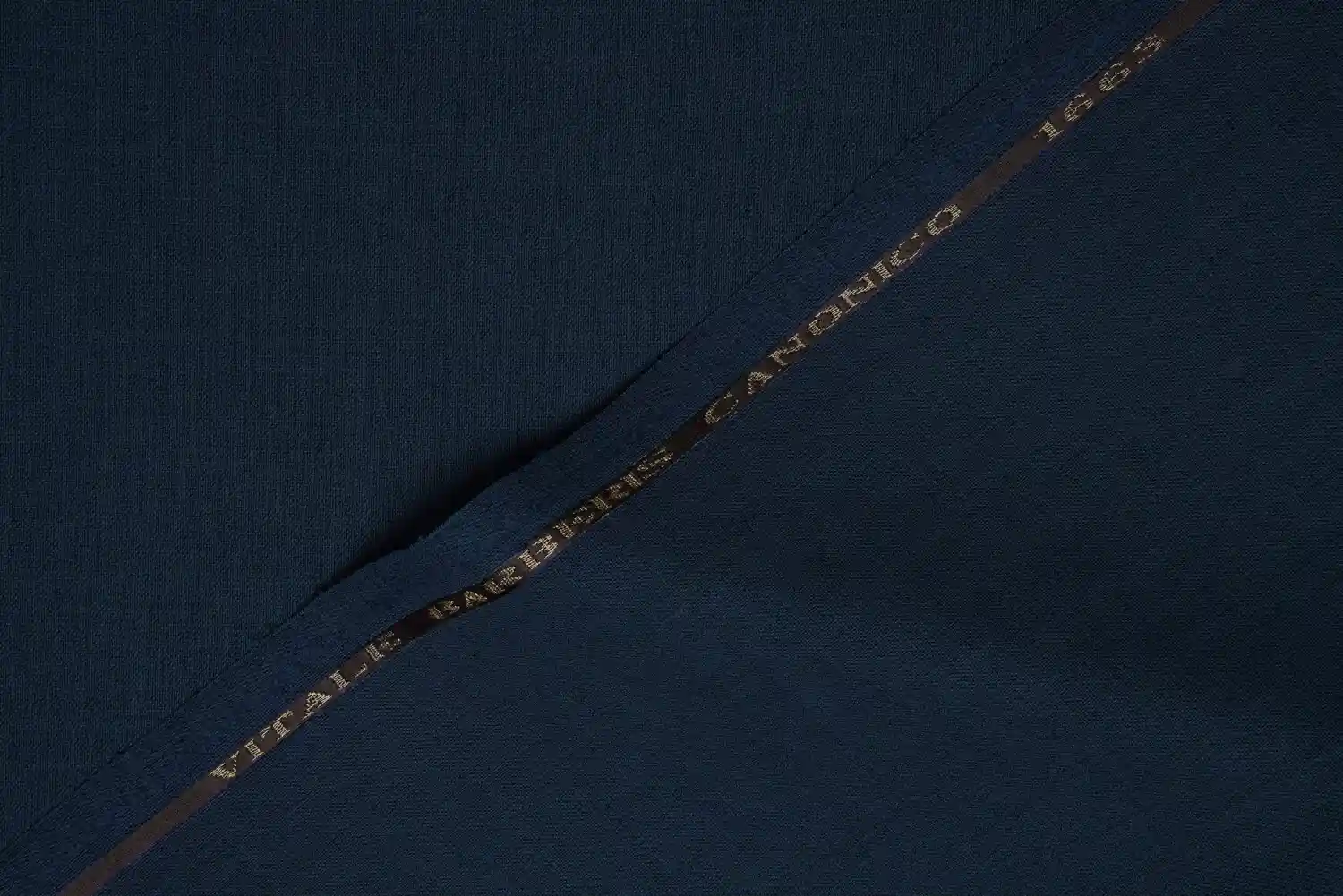
A great suit begins long before the first fitting. Fabric selection determines how a suit looks, feels, performs, and ages over time. The right cloth supports structure, enhances comfort, and creates the clean drape that defines quality tailoring.
Having a good understanding of suit fabrics allows you to make smarter decisions, whether you’re investing in a custom suit, upgrading your wardrobe, or selecting a garment for a specific season or occasion. This guide breaks down the most important fabric considerations so you can choose the best option.
An Overview of Fabric Choice
Fabric influences every aspect of a suit’s performance. It affects breathability, durability, weight, texture, and how the garment responds to tailoring. Even the most precise measurements cannot compensate for fabric that doesn’t align with your lifestyle or environment.
A well-chosen fabric:
- Supports clean lines and structure
- Maintains shape throughout the day
- Allows natural movement
- Ages gracefully with proper care
Selecting fabric thoughtfully ensures the suit works as intended for years to come.
Suit Fabric Basics
Natural vs Blended Fabrics
Most fine suits are made from natural fibers, with wool leading the category. Natural fibers breathe well, respond to tailoring, and adapt to body temperature.
Common natural fibers include:
- Wool – versatile, resilient, and breathable
- Linen – lightweight and airy
- Cotton – structured yet casual
- Silk – smooth with subtle sheen
Blended fabrics incorporate synthetic fibers or elastane to improve stretch, wrinkle resistance, or durability. When used thoughtfully, blends enhance comfort without compromising appearance.
Fabric Weight and Weave
Fabric weight, measured in grams or ounces, influences comfort and structure. Lightweight fabrics feel cooler and move easily. Heavier fabrics provide warmth, body, and sharper drape.
Weave also matters. Plain weaves offer breathability. Twill weaves add durability and texture. Each combination affects how the suit behaves on the body.
Wool: The Foundation of Fine Suiting
Why Wool Is the Gold Standard
Wool remains the most widely used suit fabric for good reason. It regulates temperature, resists wrinkles, and recovers its shape naturally. Wool also accepts tailoring exceptionally well, allowing for precise shaping and clean lines.
High-quality wool adapts to both warm and cool conditions, making it suitable for year-round wear.
Understanding Super Numbers
Super numbers (Super 100s, 120s, 150s, etc.) describe the fineness of the wool fiber, not quality alone.
- Lower numbers (Super 100s–120s): Durable, practical, ideal for daily wear
- Mid-range (Super 130s–150s): Balanced softness and structure
- Higher numbers (Super 160s+): Extremely soft, lighter feel, require more care
Finer wool feels luxurious, but durability matters. Fabric choice should reflect how often the suit will be worn.
Seasonal Suit Fabrics
Summer Fabrics
Warm-weather suits prioritize breathability and airflow.
Tropical Wool
Lightweight and breathable, tropical wool maintains structure while keeping the body cool. It’s one of the most versatile summer options.
Linen
Linen offers exceptional airflow and texture. It relaxes naturally and suits casual or destination wear. Its movement and character define its appeal.
Cotton
Cotton provides structure with a softer feel. It works well for warm climates when styled appropriately.
Fall and Winter Fabrics
Cooler seasons allow for richer textures and heavier cloths.
Flannel
Soft and insulating, flannel offers warmth with a refined appearance. It drapes smoothly and feels comfortable in colder environments.
Tweed
Durable and textured, tweed suits colder climates and casual tailoring. Its weight and structure create a distinct presence.
Heavier Wool Weaves
Thicker wool fabrics add warmth and shape while maintaining elegance.
Luxury and Specialty Fabrics
Silk Blends
Silk adds fluidity and a subtle sheen. Blended with wool, it enhances texture without overwhelming the garment. These fabrics are best suited for special occasions.
Cashmere and Fine Blends
Cashmere introduces softness and warmth. Blends provide comfort while retaining structure. These fabrics feel exceptional but are best reserved for limited wear.
Performance and Stretch Fabrics
Modern stretch fabrics combine natural fibers with advanced technology. They improve mobility, recovery, and comfort. Ideal for long days, travel, or active schedules.
Performance fabrics maintain a tailored appearance while supporting movement.
Fabric Construction and Longevity
Durability vs Softness
Softer fabrics feel luxurious but require careful handling. More durable fabrics withstand frequent wear and maintain shape longer.
Choosing fabric based on usage ensures longevity and value over time.
Wrinkle Resistance and Maintenance
Some fabrics recover quickly after wear, while others require more attention. Travel-friendly fabrics retain shape and resist creasing, making them practical for busy schedules.
Fabric and Suit Construction Work Together
Matching Fabric to Canvas Type
Internal construction supports the fabric’s behavior.
- Fused construction: Light and cost-effective but less durable
- Half canvas: Provides structure through the chest and shoulders
- Full canvas: Offers maximum support and longevity
Lighter fabrics often benefit from stronger internal support to maintain clean lines.
How Fabric Influences Drape
Fabric determines how the suit expresses itself:
- Lapel roll
- Shoulder definition
- Movement and flow
The right combination of fabric and construction creates a balanced silhouette.
Choosing Fabric for Your Lifestyle
Business and Daily Wear
For regular wear, durability and comfort matter most. Midweight wool fabrics in neutral tones provide flexibility and longevity.
Special Occasions
Weddings, galas, and events allow for expressive fabrics: textures, subtle sheen, or seasonal weight. These suits often prioritize appearance over daily durability.
Climate and Environment
Local climate influences fabric choice. Warm regions benefit from breathable weaves. Cooler environments allow heavier cloths. Indoor vs outdoor wear also affects selection.
Common Fabric Selection Mistakes
- Choosing softness over practicality
- Ignoring climate and usage patterns
- Selecting trend-driven fabrics with limited longevity
- Overlooking how fabric interacts with construction
Expert guidance simplifies these decisions.
Fabric Is the Foundation of a Great Suit
Fabric defines how a suit performs, ages, and feels. It determines comfort, structure, and long-term value. The right cloth enhances tailoring and supports confident wear.
Seeing and feeling fabrics in person provides clarity that online descriptions cannot. Professional consultation from Stych ensures fabric selection aligns with fit, function, and lifestyle.
A well-chosen fabric transforms tailoring into a complete experience. When fabric, construction, and fit work together, the result feels natural, refined, and enduring.